
Contents
- 🎵 Origins & History
- ⚙️ How It Works
- 📊 Key Facts & Numbers
- 👥 Key People & Organizations
- 🌍 Cultural Impact & Influence
- ⚡ Current State & Latest Developments
- 🤔 Controversies & Debates
- 🔮 Future Outlook & Predictions
- 💡 Practical Applications
- 📚 Related Topics & Deeper Reading
- Frequently Asked Questions
- References
- Related Topics
Overview
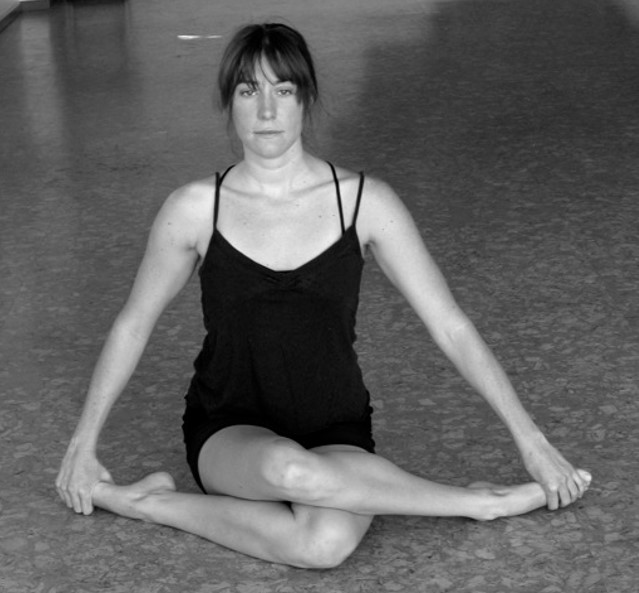
Yoga for flexibility is a practice that emphasizes stretching and lengthening the muscles to improve overall mobility and range of motion. This form of yoga is particularly beneficial for individuals seeking to enhance their physical performance in various activities, from sports to daily tasks. By incorporating poses that target specific muscle groups, practitioners can alleviate tension, reduce the risk of injury, and promote relaxation. Popular styles such as Hatha, Vinyasa, and Yin Yoga offer diverse approaches to flexibility training, making it accessible to all fitness levels. As the global wellness movement continues to grow, yoga for flexibility remains a cornerstone of holistic health, fostering not only physical benefits but also mental clarity and emotional resilience.
🎵 Origins & History
In the 20th century, yoga was popularized in the West by figures like B.K.S. Iyengar, who emphasized the importance of alignment and breath in achieving flexibility. The introduction of styles like Hatha and Vinyasa in the 1960s further expanded the practice, making it accessible to a broader audience. Today, yoga for flexibility is recognized not only for its physical benefits but also for its role in enhancing mental well-being and stress management.
⚙️ How It Works
The mechanics of yoga for flexibility involve a combination of static and dynamic stretches that target various muscle groups. Poses such as Downward Dog, Pigeon Pose, and Forward Bend are designed to elongate muscles and improve joint mobility. By holding these poses for extended periods, practitioners stimulate the connective tissues, promoting increased circulation and flexibility. Additionally, the integration of breathwork helps to relax the body, allowing for deeper stretches. This practice can be tailored to individual needs, making it suitable for beginners and advanced yogis alike, fostering a supportive community around shared goals.
📊 Key Facts & Numbers
Athletes often incorporate yoga into their training regimens to enhance performance and prevent injuries. Professional dancers and gymnasts utilize specific yoga poses to improve their flexibility and strength. In rehabilitation settings, physical therapists may recommend yoga as a complementary approach to traditional therapies, helping patients regain mobility and reduce pain. This versatility makes yoga for flexibility a valuable tool for individuals at all stages of their fitness journeys.
👥 Key People & Organizations
Key figures in the yoga community have significantly influenced the practice of yoga for flexibility. B.K.S. Iyengar developed a style that emphasizes the importance of proper technique in achieving flexibility. Other influential teachers include K. Pattabhi Jois, who popularized Ashtanga Yoga, and T.K.V. Desikachar, who emphasized individualized practice. Organizations like the Yoga Alliance play a crucial role in setting standards for yoga teacher training, ensuring that practitioners receive quality instruction in flexibility and other aspects of yoga.
🌍 Cultural Impact & Influence
The cultural impact of yoga for flexibility extends beyond physical practice; it has influenced wellness trends globally. The rise of social media has amplified the visibility of yoga, with platforms like Instagram showcasing flexibility feats and inspiring others to join the practice. Events like International Yoga Day reportedly promote the benefits of yoga worldwide, emphasizing its role in fostering community and connection among practitioners.
⚡ Current State & Latest Developments
The integration of technology, such as yoga apps and wearable devices, has enhanced the experience, providing personalized feedback and tracking progress. Experts suggest that as awareness of the physical and mental benefits of yoga expands, more individuals will incorporate it into their fitness routines. Innovations in teaching methods, such as hybrid classes that combine in-person and online formats, are expected to gain traction.
🤔 Controversies & Debates
Controversies surrounding yoga for flexibility often revolve around the balance between pushing physical limits and respecting individual boundaries. Some practitioners argue that the emphasis on achieving extreme flexibility can lead to injury, particularly among beginners. Conversely, advocates stress the importance of gradual progression and listening to one's body. The debate continues as the yoga community seeks to establish best practices for promoting flexibility while ensuring safety and inclusivity for all participants.
🔮 Future Outlook & Predictions
Looking ahead, the future of yoga for flexibility appears promising, with predictions indicating continued growth in participation rates. Experts suggest that as awareness of the physical and mental benefits of yoga expands, more individuals will incorporate it into their fitness routines. Additionally, the integration of mindfulness practices within flexibility training may enhance the overall experience, fostering a deeper connection between body and mind.
💡 Practical Applications
Related topics include Yoga for Beginners, Stretching Techniques, and Mindfulness in Yoga. Exploring these areas can provide a broader understanding of how flexibility training fits into the larger context of health and wellness.
Key Facts
- Year
- 2024
- Origin
- India
- Category
- workout-routines
- Type
- concept
Frequently Asked Questions
What are the benefits of yoga for flexibility?
Yoga for flexibility offers numerous benefits, including improved range of motion, reduced muscle tension, and enhanced athletic performance. Additionally, yoga promotes relaxation and stress relief, contributing to overall mental well-being. By incorporating poses that target specific muscle groups, practitioners can alleviate discomfort and enhance their physical capabilities.
How often should I practice yoga for flexibility?
For optimal results, practicing yoga for flexibility at least 2-3 times a week is recommended. This frequency allows your body to adapt and gradually improve its range of motion. Many practitioners find that shorter, more frequent sessions are more effective than longer, infrequent classes. Incorporating flexibility-focused poses into your routine can also be beneficial, whether through dedicated yoga classes or as part of a broader fitness regimen.
Can yoga for flexibility help with injury recovery?
Yes, yoga for flexibility can be an effective tool for injury recovery. Many physical therapists recommend yoga as a complementary therapy to traditional rehabilitation methods. Poses that promote gentle stretching and strengthening can help restore mobility and alleviate pain. However, it's essential to consult with a healthcare professional before starting any yoga practice post-injury to ensure safety and appropriateness for your specific condition.
What types of yoga are best for flexibility?
Styles such as Hatha, Vinyasa, and Yin Yoga are particularly effective for enhancing flexibility.