
Contents
Overview
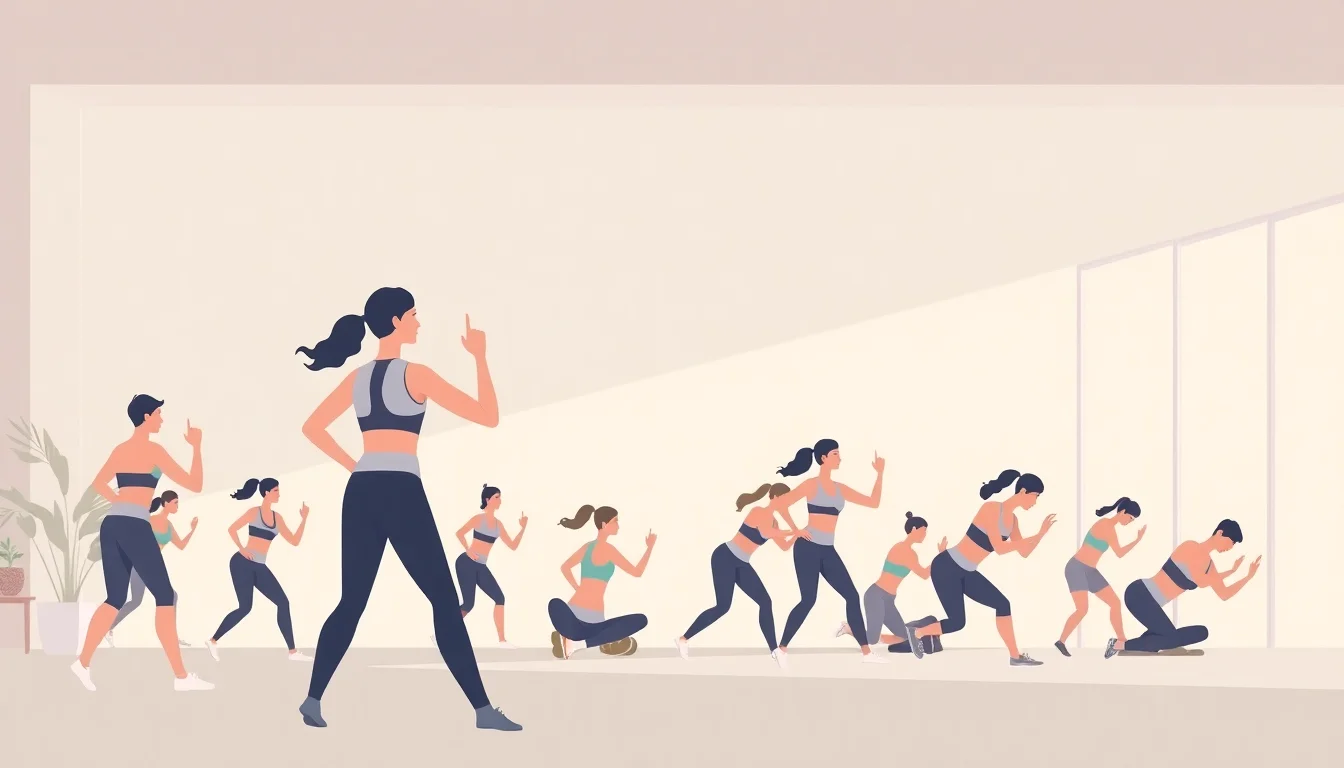
Group fitness classes are structured exercise sessions led by an instructor, designed for multiple participants to engage in synchronized physical activity. These classes, ranging from high-energy cardio blasts like Zumba and Spinning to strength-focused sessions such as BodyPump and CrossFit, thrive on collective motivation and a sense of camaraderie. They offer a dynamic alternative to solo workouts, providing guided instruction, varied routines, and the palpable energy of a shared experience. Millions participate weekly in studios, gyms like Planet Fitness, and even virtual settings. These classes cater to all fitness levels, fostering inclusivity and encouraging consistent engagement through their social and motivational aspects, making them a vital component of modern wellness culture.
🎵 Origins & History
The concept of group exercise has roots stretching back to ancient Greece, where communal physical training was integral to military and civic life. The aerobics craze popularized in the 1980s, fueled by figures like Jane Fonda and her workout videos, led to the establishment of dedicated fitness studios and gyms. This era saw the birth of iconic classes like BodyCombat and BodyJam under brands like Les Mills. The subsequent decades have seen continuous innovation, with the integration of technology and specialized training methodologies.
⚙️ How It Works
Group fitness classes operate on a simple yet effective model: an instructor guides participants through a series of exercises for a set duration. The instructor demonstrates movements, provides cues for proper form, and offers modifications for different fitness levels. Music is a crucial element, setting the pace and energy of the session. Classes are often categorized by their primary focus, such as cardiovascular endurance (e.g., Spinning, Step Aerobics), muscular strength and endurance (e.g., BodyPump, Bootcamp), flexibility and mind-body connection (e.g., Yoga, Pilates), or a combination thereof. The social dynamic is key; participants feed off each other's energy, creating a motivating environment that encourages adherence and pushes individuals beyond their perceived limits.
📊 Key Facts & Numbers
The global fitness industry heavily relies on group fitness. Virtual group fitness platforms have also seen explosive growth, with some reporting user bases in the millions, demonstrating the broad appeal and scalability of this format.
👥 Key People & Organizations
Key figures and organizations have shaped the landscape of group fitness. Judi Sheppard Missett founded Jazzercise, blending dance and fitness into a widely accessible format. Phillip Mills and his mother Leslie Mills revolutionized the industry with Les Mills International, creating branded, choreographed fitness programs like BodyPump and GRIT that are licensed globally to gyms. Companies like Equinox Group and Crunch Fitness offer extensive class schedules as part of their broader gym offerings. More recently, digital platforms such as Peloton and Apple Fitness+ have brought instructor-led group classes into home environments, led by charismatic instructors who build significant followings.
🌍 Cultural Impact & Influence
Group fitness classes have profoundly influenced societal attitudes towards exercise, transforming it from a solitary pursuit into a communal and often social activity. They have fostered a sense of belonging and community for millions, providing a supportive environment for individuals to achieve their health goals. The popularity of branded classes has created a recognizable culture around specific workout styles, influencing fashion, music, and even lifestyle choices. Furthermore, the rise of virtual group fitness has democratized access, bringing expert instruction to individuals regardless of their geographic location or ability to attend a physical studio, thereby broadening the cultural reach of these workouts.
⚡ Current State & Latest Developments
The current landscape of group fitness is dynamic, marked by a blend of traditional studio offerings and a significant expansion of digital and hybrid models. Post-pandemic, many gyms and studios have embraced hybrid formats, offering both in-person and live-streamed classes to cater to diverse preferences. Peloton continues to innovate in the connected fitness space, while platforms like Apple Fitness+ offer curated content. There's a growing emphasis on personalized group experiences, with boutique studios focusing on niche formats like Aerial Yoga or specialized HIIT training. The integration of wearable technology and data analytics is also becoming more prevalent, allowing for better tracking of performance within group settings.
🤔 Controversies & Debates
One persistent debate in group fitness revolves around the effectiveness and safety of certain high-intensity formats, particularly when led by instructors with varying levels of certification. Critics question whether the focus on choreography and entertainment in some classes compromises proper form, potentially leading to injuries. Another point of contention is the commercialization of fitness, with some arguing that branded programs and expensive boutique classes create an exclusionary environment. The rise of virtual fitness also sparks debate regarding the loss of in-person community connection and the potential for increased screen time to negatively impact mental well-being.
🔮 Future Outlook & Predictions
The future of group fitness is likely to be even more integrated with technology and personalization. AI-powered platforms may provide real-time feedback on form and intensity during classes, even in a group setting. The trend towards hyper-specialization in boutique studios will likely continue, catering to niche interests and demographics. Hybrid models will become the norm, offering flexibility for participants. There's also a growing focus on holistic wellness, with group classes incorporating more elements of mindfulness, recovery, and nutrition guidance, moving beyond purely physical exertion.
💡 Practical Applications
Group fitness classes are a versatile tool applicable across various settings. In commercial gyms like LA Fitness and 24 Hour Fitness, they form the backbone of member engagement, offering a wide array of options to suit diverse interests. Boutique studios, such as Barre studios or CycleBar, leverage specialized classes to build dedicated communities. Corporate wellness programs increasingly incorporate group fitness to promote employee health and team cohesion. Even community centers and schools utilize group classes to provide accessible fitness opportunities. Furthermore, online platforms have made these classes available to individuals worldwide, enabling remote participation and global communities.
Key Facts
- Category
- workout-routines
- Type
- concept